How to Start Modeling With No Experience: A Realistic First-Steps Guide
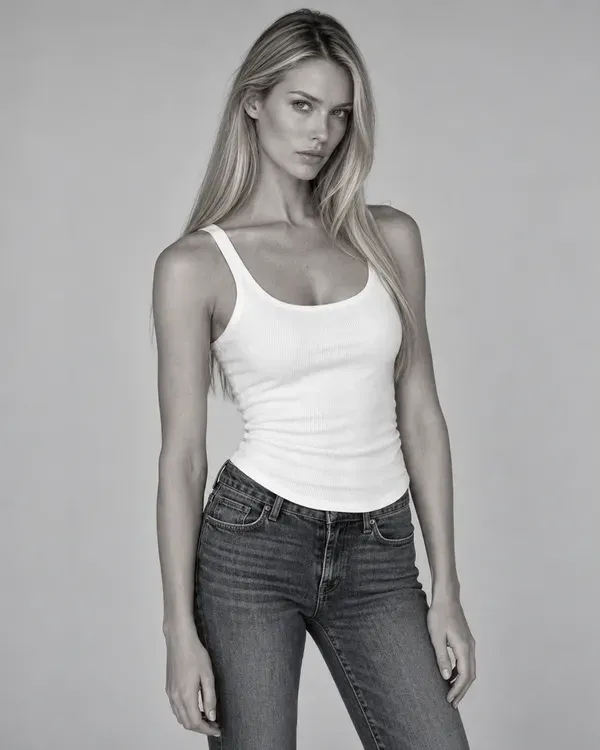
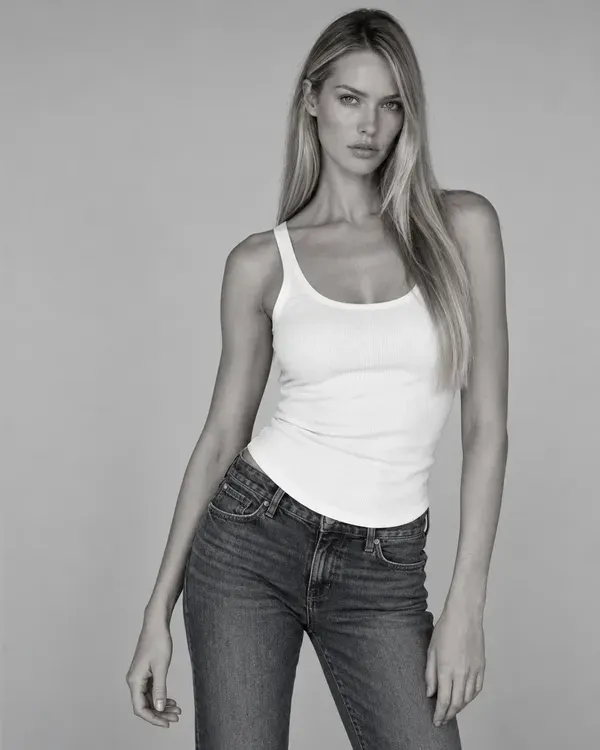
Almost every working model started with no experience, no portfolio and no idea where to begin. The path is more ordinary than it looks from outside: a few honest photos, a clear introduction and some patience. What gets people stuck is not talent, it is not knowing the order of the steps, and not knowing which offers to trust.
This guide covers the first steps in the order that makes sense, from understanding what kind of modeling suits you to sending your first submission safely.
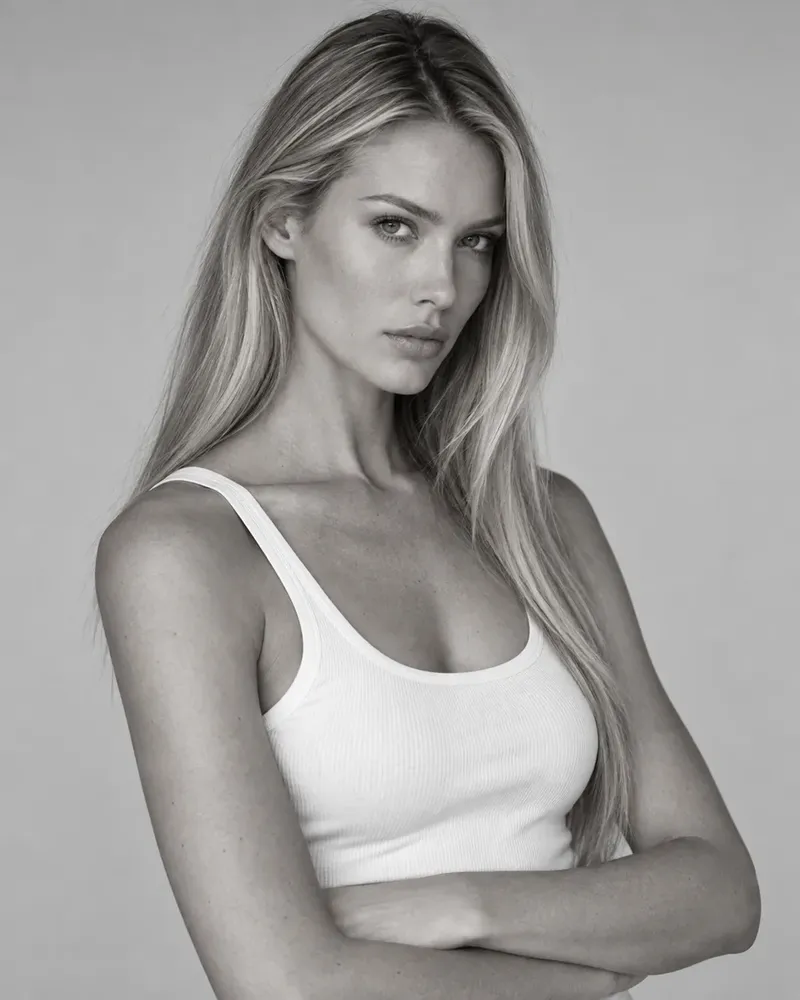
Do you need experience to start modeling?
No. Agencies sign new people all the time, and many specifically look for people with no experience, because they can shape the early work. What an agency looks at is your look, your photos, your presence and how you carry yourself when you meet. Experience helps, but it is not the entry ticket.
What you do need is realism. Modeling is a competitive field, and most people who apply will not be signed by the first agency they try. That is not a verdict on you. It is partly about fit: agencies each have their own needs, and a look that is not right for one may suit another.
Understand the kinds of modeling
Modeling is not one job. The kind you aim for decides what photos to take and which agencies to approach.
- Fashion and editorial. Magazines, campaigns and runway. Agencies in this field often look for particular heights and proportions, and these vary by agency, market and role.
- Commercial. Advertising for everyday products and services, where relatability matters more than a specific measurement. A wide range of ages, sizes and looks is used.
- E-commerce and catalogue. Showing clothes accurately for online stores. Fit and reliability matter.
- Fitness and lifestyle. Sport, health and wellness brands.
- Parts modeling. Hands, feet, hair or other features.
- Plus-size and curve. A large field with its own agencies and standards.
- Influencer and social. Brands pay people with an audience to show their products. It works differently from agency modeling.
Many people work across several of these. Pick the one or two that match your look and your interests as a starting point, and stay open to the others.
Take your first photos
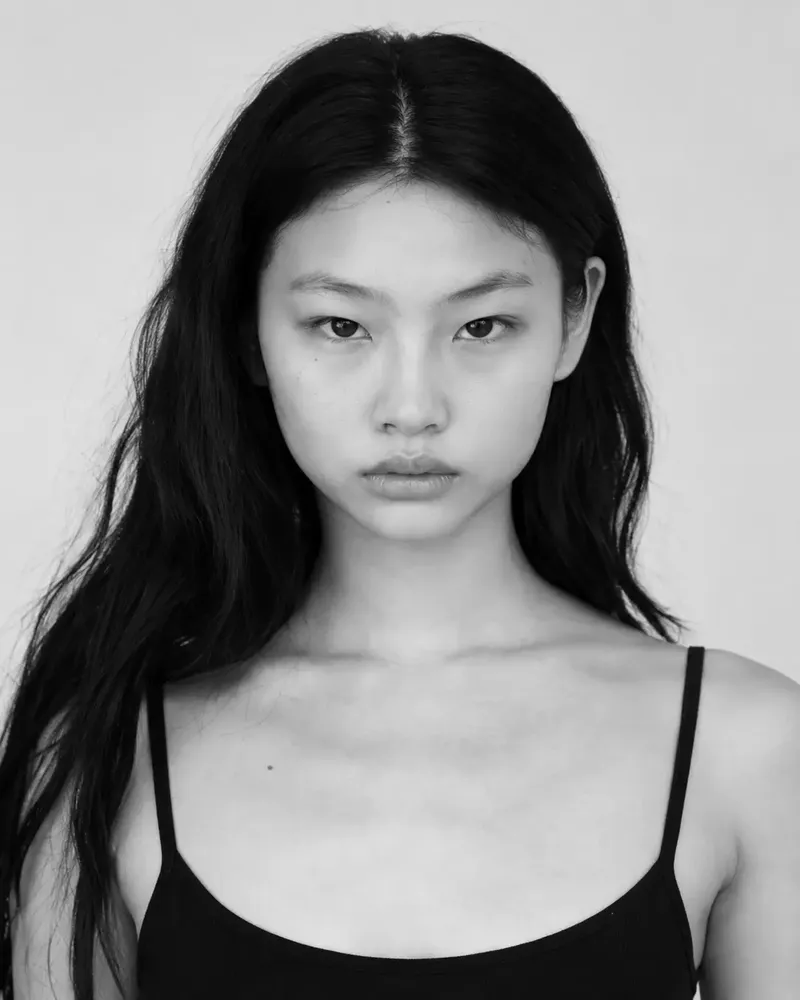
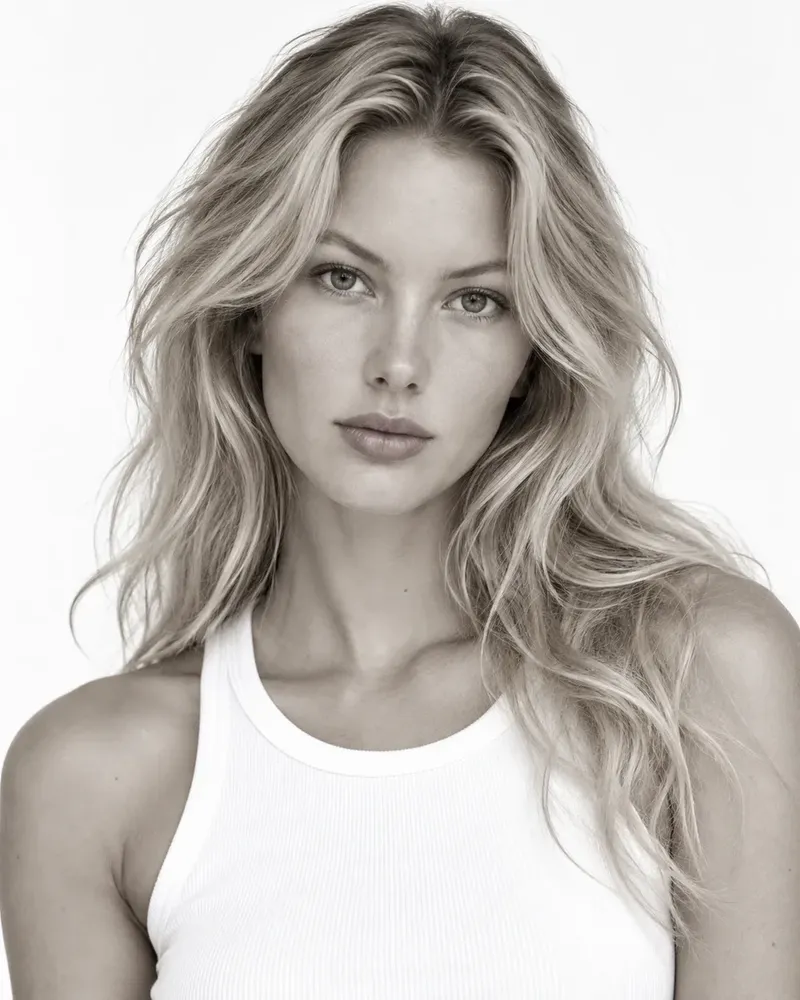
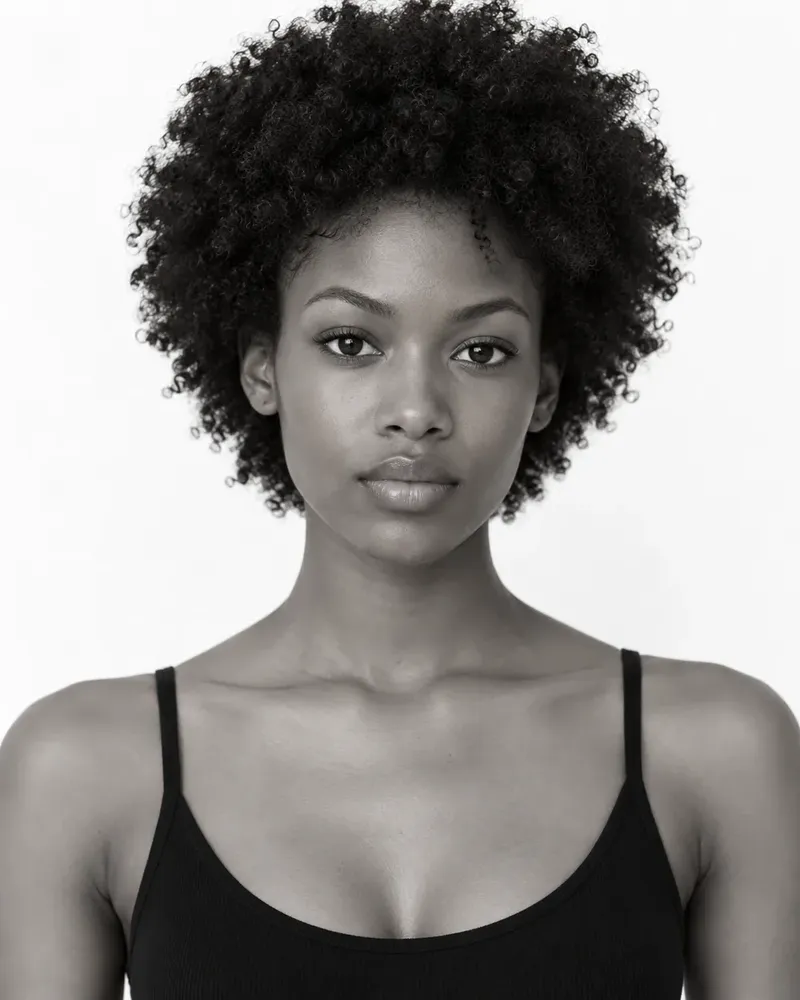
Your first photos are digitals: plain, honest, unretouched images that show what you look like. A clear face, a profile, a front, side and back, and a full-length shot, in natural light, in simple fitted clothes, with little or no makeup.
You can take them yourself with a phone and a friend, and many agencies prefer them to expensive studio images. Do not pay for a portfolio shoot at this stage. Our guide to taking modeling digitals shows exactly what to shoot and what to avoid.
Make a simple comp card
A comp card pulls your best photos, your measurements and your contact details into one clean page. It makes you easy to remember and easy to share. You do not need one to apply to an agency, but it is a good tool to have early, and it is free to make.
Choose four or five photos that show range, write honest measurements and keep the layout simple. The whole process is covered in how to make a comp card, and you can build one on FYND without paying.
Find legitimate agencies
Look for agencies that are established, that have a clear submission process on their website, and that represent people you can look up. Check the following before you send anything:
- They earn by commission. A legitimate agency takes a share of the work you do. It does not charge you to be represented.
- They have a real address and a real website. Look them up. Search the agency's name along with the word reviews, and read what working models say.
- They tell you how to apply. Most have a submission page that lists what to send.
- They do not promise success. No agency can promise you work or fame.
Start with agencies in or near your city. Many have a local board for newer people, and it is easier to meet in person. If an agency is far away, check whether it takes online submissions.
Submit the way agencies ask
Agencies receive a lot of submissions, and the ones that follow the instructions are the ones that get read. Send what the agency's page asks for, in the format it asks for, and nothing else.
That usually means digitals, your measurements, your age, your location and your contact details, often through a form or a short email. Keep it brief and polite. Do not send a long message about your dreams. The full process is in how to submit to modeling agencies.
Stay safe while you start
Most people in the industry are decent, and a few are not. A little caution protects you.
- Never pay to be represented. Legitimate agencies earn commission on your work. Be careful of anyone who asks for money for a portfolio, a listing or a promised placement.
- Meet in public. Go to a first meeting in a professional office, and bring someone with you if you can.
- Read before you sign. Take any contract away and read it. Ask someone you trust to look at it.
- Trust your instincts. If a request feels wrong, it probably is.
- Be 18 or older, or have a parent involved. If you are under 18, involve a parent or guardian in every step. FYND is only for people who are 18 or older.
Our guide to modeling scams and red flags lists the warning signs in detail.
What happens next, and how long it takes
After you submit, three things can happen. You hear back and are invited to meet. You hear nothing, which is the most common result, because agencies reply only to the people they want to see. Or you get a polite no.
Silence is not a reason to stop. It can take a few weeks to hear, and many agencies say on their page that they only contact people they are interested in. If you hear nothing after a few weeks, try a different agency, or send updated photos in a few months.
If an agency does invite you in, prepare. Bring your comp card, wear simple clothes, be on time and be yourself. They are meeting a person, not just looking at photos. For what usually follows, see how to get signed by a modeling agency.
Build skills while you wait
Waiting does not have to be passive. A few things improve your chances and make you a better model.
- Practise posing in front of a mirror. Learn what your face and body do from different angles.
- Learn to walk. Runway and presentation work need a confident, relaxed walk.
- Do test shoots with photographers. A test shoot is a collaboration where both people build their portfolios. Look for photographers whose work you like and who have good references.
- Look after yourself. Sleep, skin, hair and fitness help you look and feel your best, without anything extreme.
- Keep your online presence tidy. Agencies look at social accounts. Make sure yours match the person you are presenting.
Starting to model is a series of small, ordinary steps: understand the kinds of work, take honest photos, make a clean comp card, choose legitimate agencies and submit the way they ask, while staying careful about money and meetings. Keep going past the silences, and build skills while you wait. To take the first practical step today, create your free comp card.
To see everything FYND offers talent, visit the talent features page.
Frequently asked questions
What age can you start modeling?
People start at many ages, and the opportunities differ. Young people often start through agencies that work with their parents. Many people start as adults, and commercial modeling uses a wide range of ages. FYND is for people who are 18 or older.
Do I have to be tall to be a model?
Not for every kind. Runway and high fashion often look for particular heights, and those requirements vary by agency and market. Commercial, fitness, parts and plus-size modeling use many different heights and body types.
Can I become a model with no portfolio?
Yes. Most agencies ask for simple digitals first, not a portfolio. You build a portfolio as you start working.
How much does it cost to start modeling?
It can cost very little. Digitals can be taken at home for free, a comp card can be made for free, and legitimate agencies earn commission and do not charge you to be represented.
Can I start modeling later in life?
Yes. Commercial modeling and some other fields use people of all ages. Your chances depend on the type of work, your look and the demand in your market, not on a single cut-off.