Modeling Digitals and Polaroids: How to Take Them Yourself
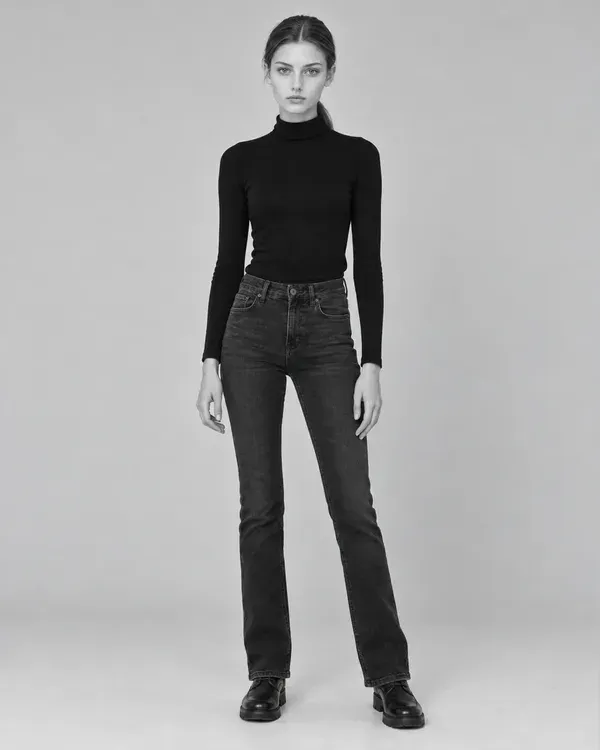
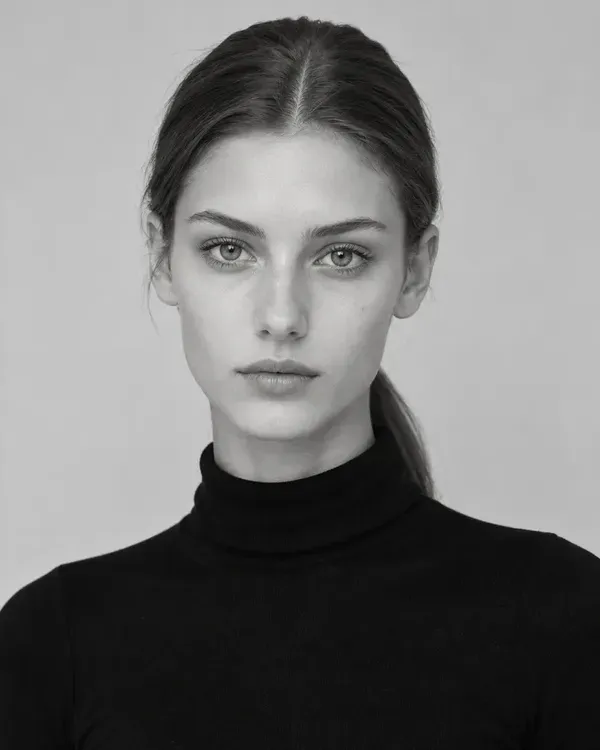
Digitals are the least glamorous photos in modeling and the most important. They are what almost every agency asks for first, because they show something a polished photo cannot: what you really look like. The good news is that you can take them yourself, for free, in an afternoon.
This guide covers what digitals are, which shots to take, how to set up the light and background, what to wear and the mistakes that make a set unusable. If you want to know where digitals fit with a comp card and a portfolio, read comp card vs portfolio.
What digitals are, and why agencies ask for them
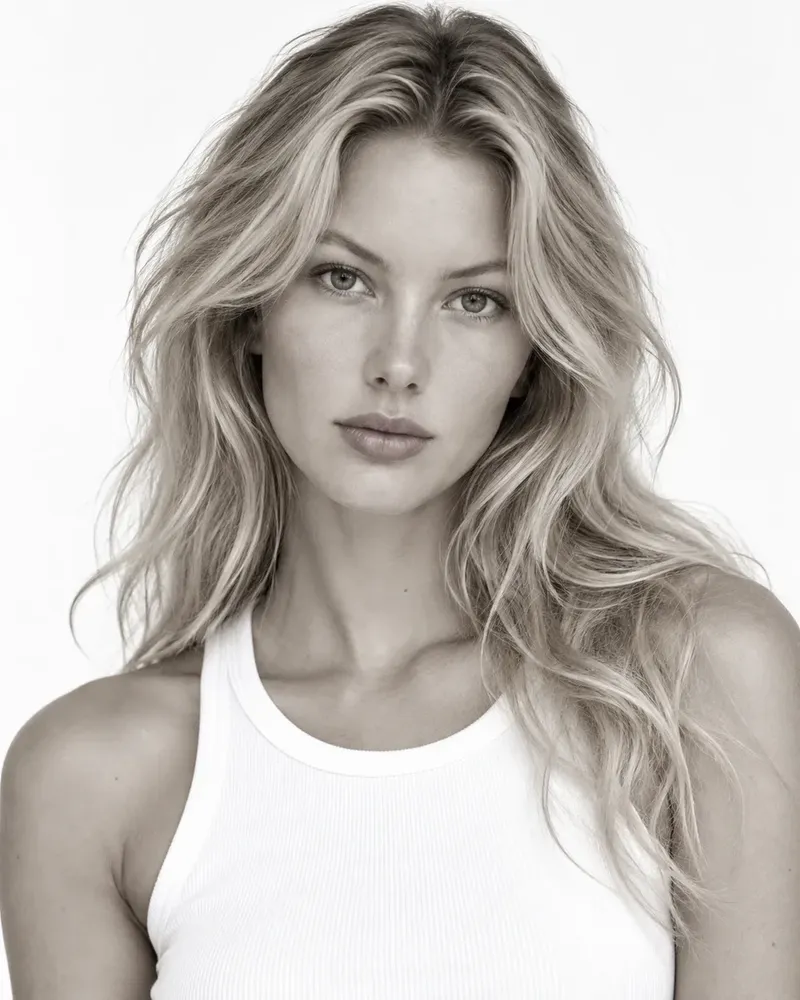
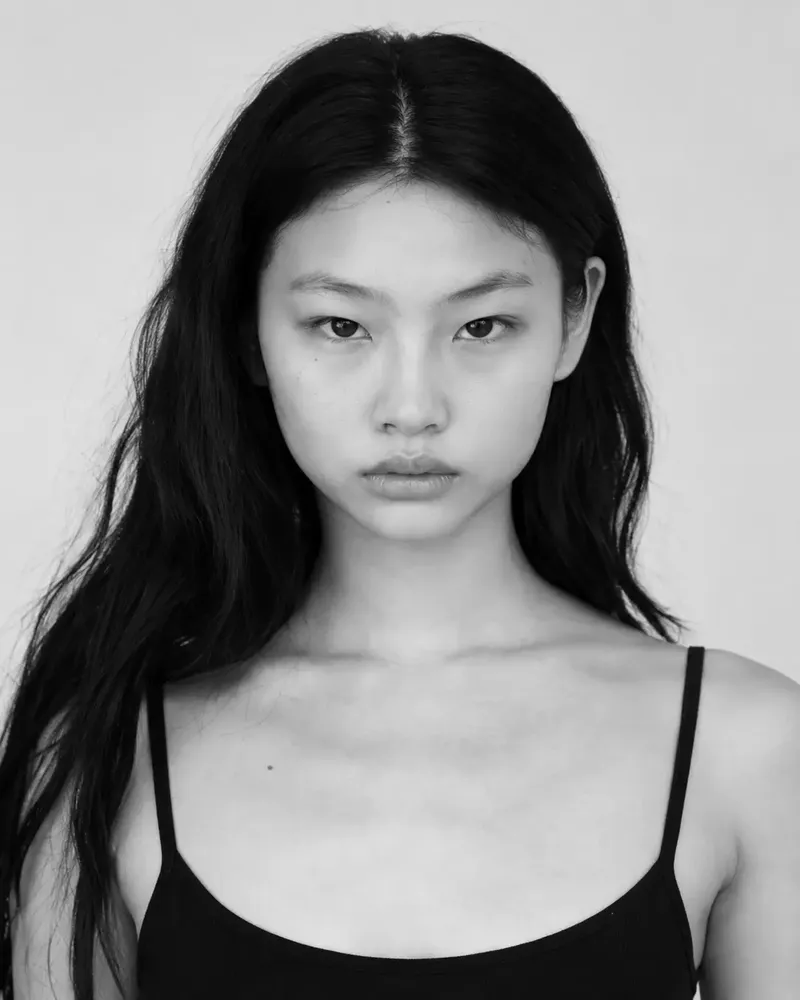
Digitals, also called polaroids, are plain photos taken without styling, retouching or filters. The name goes back to the instant film cameras that agencies once used to photograph new faces, and it stuck.
Agencies ask for them because a booker needs to judge your look quickly and honestly. Skin, shape, posture, hair and proportions are all visible in a plain photo and easy to hide in a produced one. A set of digitals tells them whether it is worth meeting you, and whether you look the way you described.
This is why paying for an expensive shoot to impress an agency is usually a mistake. They are not looking for a beautiful picture. They are looking for an honest one.
The shots to take
A standard set has a few images. Take each of them more than once, and choose the best.
- A clear face shot. Face to the camera, shoulders square, neutral expression, hair away from the face.
- A smile. The same framing with a natural smile. It shows how your face changes.
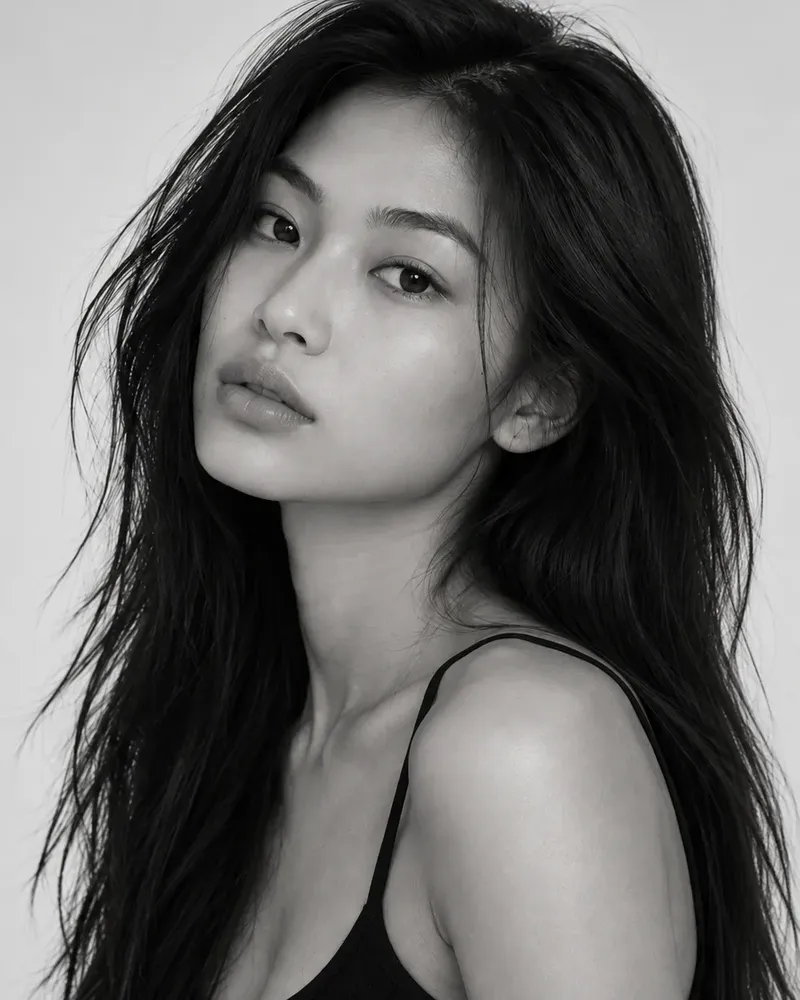
- A profile. Side on, to show the line of the face. Take one from each side.
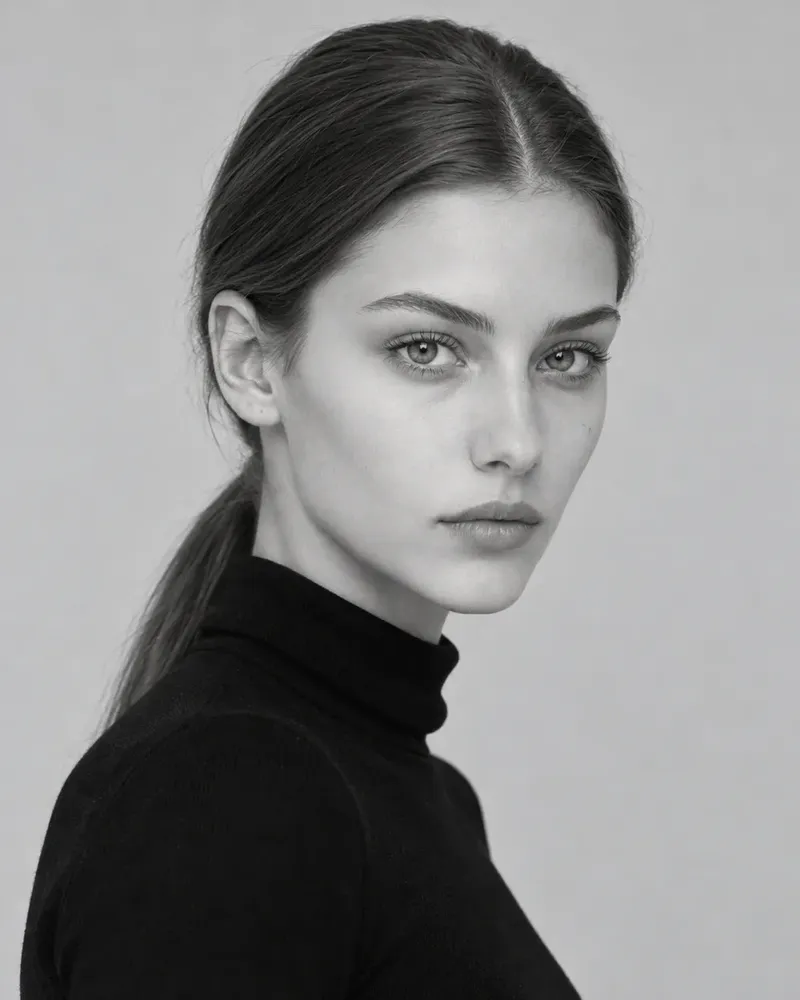
- A three-quarter shot. Halfway between the front and the side.
- Full length, front. Standing straight, arms relaxed by your sides, feet slightly apart.
- Full length, side. The same pose, turned to the side.
- Full length, back. Turned away, showing your shoulders and posture.
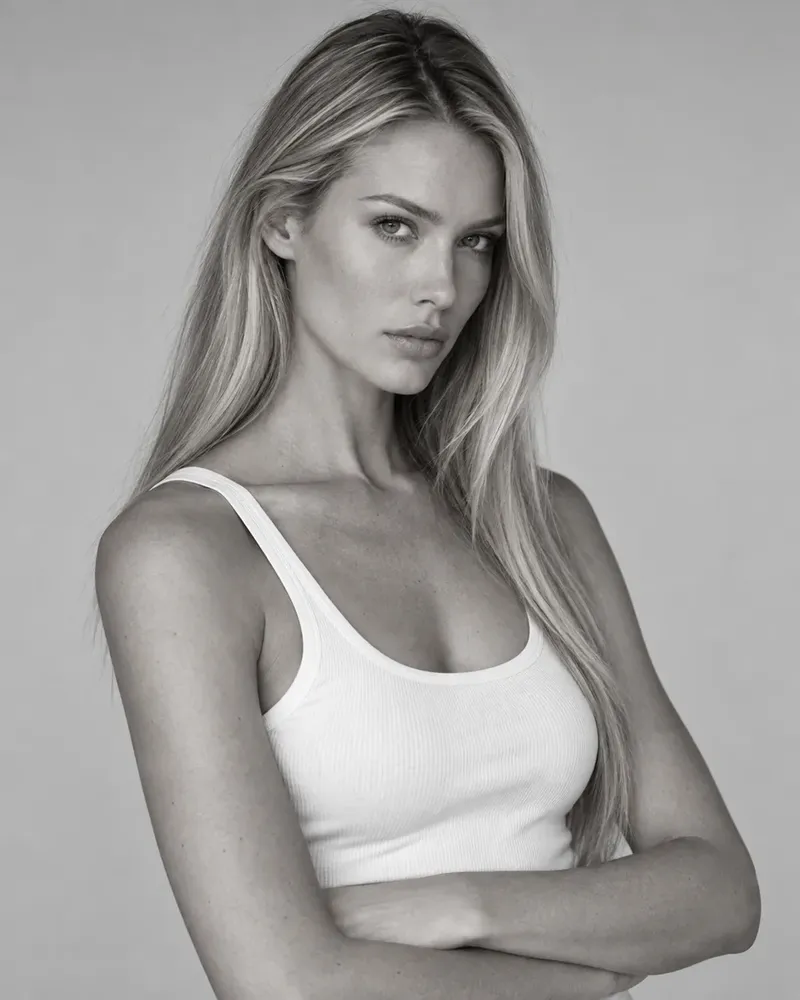
- A waist-up front shot. To show your upper body clearly.
Agencies sometimes ask for a particular set. Always follow what the agency page says, and add the standard shots if it does not.
Set up the light
Light matters more than the camera. Stand facing a large window on a bright day, so the light falls evenly on your face. If the window is behind you, your face will be dark. If the sun is shining directly in, the shadows will be harsh.
Early morning or late afternoon, with soft daylight, is best. If you must shoot indoors in the evening, use a few bright, neutral lights in front of you rather than a single lamp at one side. Do not use a flash directly on your face.
Check the photo as you go. Zoom in on your face. Can you see your eyes clearly, your skin and your hairline? If not, move closer to the light.
Choose the background and the camera
Use a plain, light wall or a clean door as a background, with nothing hanging on it. A white or light grey wall works well. Stand a short distance away from it, so you do not cast a shadow on it.
A phone camera is enough. Prop the phone at chest height, or ask a friend to hold it, and keep it level with your body. Photos taken from above or below change how your face and legs look. Use the main rear camera, not the front one, because the front camera softens detail.
Take the photos in portrait orientation for the full-length shots, and leave a little room around your head and feet. Do not crop too tight.
What to wear
Wear simple, fitted clothes that show your shape. For women, that is often a plain bodysuit, a fitted top and shorts, or swimwear, in a solid neutral colour. For men, fitted trunks or shorts and a fitted plain t-shirt for the face shots. Bare feet or flat shoes.
Avoid patterns, logos, heavy jewellery and loose layers. Leave hair loose or tied back so that your neck and face are clear. If you are under 18, wear what your parent or guardian is comfortable with, and have them present.
You never have to wear anything you are uncomfortable with. A legitimate agency will ask for fitted clothing, not for anything revealing beyond that, and will not pressure you.
Makeup, hair and styling
Wear little or no makeup. A bare face is what agencies want to see, so clear skin and natural features show. If you wear a little concealer or tinted moisturiser, keep it light.
Wash your hair the day before and leave it natural. Do not use heavy styling or hair extensions in these photos. If you have changed your hair recently, say so.
Poses and expression
Do not pose. The aim is a clean, neutral look, not a performance. Stand tall, relax your shoulders, keep your arms loose and look into the lens.
For the face shots, relax your jaw and look at the camera as if you were talking to a friend. For the smile, think of something that makes you laugh, so the smile reaches your eyes.
Mistakes that make digitals unusable
These are the errors that cause agencies to skip a submission.
- Filters and beauty modes. They remove the detail an agency needs, and they are easy to spot.
- Heavy retouching. Digitals are meant to be honest.
- Poor light. A dark or half-lit face is hard to judge.
- Clutter in the background. It distracts and looks careless.
- Wide-angle distortion. A phone held too close makes features look bigger. Step back and zoom in.
- Old photos. Anything more than a few months old, or that no longer looks like you, will be a problem in person.
- Baggy clothes. An agency cannot see your shape under a hoodie.
Keep them up to date
Retake your digitals every few months, or whenever your look changes: a new haircut, a change in weight, a tan or a new tattoo. Agencies like to see you as you are now, and old photos damage trust.
Keep the set in a folder you can send in a minute, and name the files clearly. When you are ready to apply, see how to submit to modeling agencies.
Digitals and your comp card
Your digitals are not the same as your comp card, but they work together. Your digitals go to agencies first. Your comp card is a tidy summary that can include one or two of your best photos, so it is useful to take a few extra frames in good light. See how to make a comp card for how to turn them into a page, and create your free comp card when you are ready.
Digitals are simple on purpose. Plain light, a plain wall, fitted clothes and no filters will give an agency exactly what it wants: an honest picture of you. Take them yourself, retake them when your look changes and send them following each agency's instructions. When you want a tidy page to go with them, create your free comp card.
To see everything FYND offers talent, visit the talent features page.
Frequently asked questions
What are digitals in modeling?
Digitals are simple, unretouched photos that show how you look naturally. They usually include a face shot, a profile and full-length front, side and back images.
Are digitals and polaroids the same thing?
Yes. Polaroids is the older name, from the instant cameras agencies once used. Today the photos are taken on phones or digital cameras.
Can I take digitals myself?
Yes. A phone, a window with soft light and a plain wall are enough. Ask a friend to take the photos if you can.
Should I wear makeup in digitals?
Little or none. The aim is to show your natural face, so a bare or very light look is best.
How often should I update my digitals?
Every few months, or whenever your hair, weight or other features change. Always send recent photos.